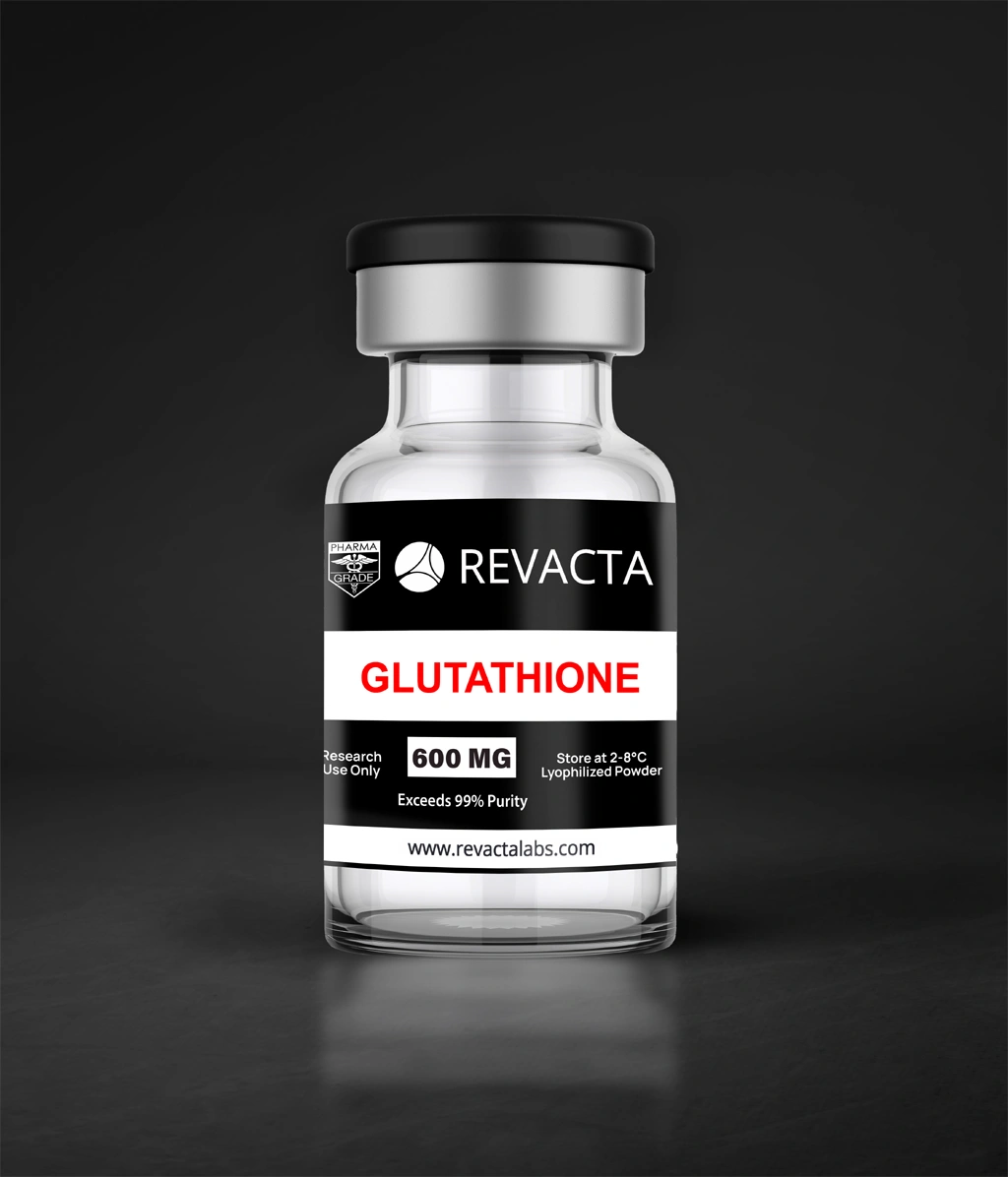
GLUTATHIONE

Glutathione (GSH) is a tripeptide composed of L-glutamic acid, L-cysteine, and glycine, naturally synthesized in nearly all eukaryotic cells. It functions as one of the body’s most important endogenous antioxidants and is essential for maintaining redox balance, detoxification, and immune defense at the cellular level.

In scientific research, Glutathione is studied for its involvement in oxidative stress regulation, cellular detoxification mechanisms, mitochondrial function, and redox-sensitive signaling pathways. Because of its central role in maintaining intracellular redox homeostasis, it serves as a key research molecule in fields including cellular aging, toxicology, immunology, and metabolic biochemistry.

Price range: $40.00 through $55.00

$40.00
1 - 2
$32.00 (20% off)
3 - 5
$28.00 (30% off)
6 - 9
$24.00 (40% off)
10+
SKU N/A Category
Glutathione (GSH) is a tripeptide composed of L-glutamic acid, L-cysteine, and glycine, naturally synthesized in nearly all eukaryotic cells. It functions as one of the body’s most important endogenous antioxidants and is essential for maintaining redox balance, detoxification, and immune defense at the cellular level. In scientific research, Glutathione is studied for its involvement in oxidative stress regulation, cellular detoxification mechanisms, mitochondrial function, and redox-sensitive signaling pathways. Because of its central role in maintaining intracellular redox homeostasis, it serves as a key research molecule in fields including cellular aging, toxicology, immunology, and metabolic biochemistry.
Property
Specification
Chemical Name:
L-γ-Glutamyl-L-cysteinylglycine (Reduced Glutathione)
Short Name:
GSH
Molecular Formula:
C₁₀H₁₇N₃O₆S
Molecular Weight:
307.32 Da
Structure Type:
Tripeptide (Glutamate + Cysteine + Glycine)
CAS Number:
70-18-8
Appearance:
White crystalline or lyophilized powder
Purity:
99% (HPLC verified)
Solubility:
Soluble in water and dilute buffer solutions for research use
pKa Values:
~2.1 (carboxyl), ~9.0 (amino), ~8.7 (thiol)
Storage:
–20 °C, protected from light and moisture
Stability:
Stable for 24 months when stored as directed

Oxidative Stress and Redox Homeostasis

  • Glutathione is a principal intracellular antioxidant that helps regulate reactive oxygen species (ROS) and reactive nitrogen species (RNS) levels.
  • Enables research into redox signaling, oxidative damage mitigation, and cellular defense mechanisms under stress conditions.
  • Acts as a cofactor for antioxidant enzymes such as glutathione peroxidase (GPx) and glutathione reductase (GR), making it a core reagent in oxidative stress studies.

Detoxification and Xenobiotic Metabolism

  • Studied for its role in conjugation reactions with electrophilic compounds and toxins through glutathione-S-transferases (GSTs).
  • Provides a model for examining cellular detoxification, hepatic clearance pathways, and phase II metabolic reactions.

Mitochondrial Function and Energy Regulation

  • Used in research exploring how mitochondrial redox balance influences ATP synthesis, mitochondrial permeability, and apoptotic signaling.
  • Assists in studying the relationship between oxidative stress and mitochondrial dysfunction in aging and metabolic disorders.

Immune Function and Cellular Defense

  • Investigated for its effects on T-cell activation, cytokine regulation, and immune response modulation in vitro.
  • Provides a biochemical model for understanding redox-sensitive immune signaling and inflammatory control mechanisms.

Protein Folding and Thiol–Disulfide Exchange

  • Functions as a redox buffer in the endoplasmic reticulum (ER), assisting in protein folding, S-glutathionylation, and disulfide bond formation.
  • Enables examination of protein stability and redox-dependent post-translational modifications.

Cellular Aging and Longevity Research

  • Widely used in studies investigating the decline of antioxidant defenses with age, telomere attrition, and cellular senescence.
  • Offers insights into how glutathione depletion correlates with oxidative DNA damage and mitochondrial degradation.

Neurological and Metabolic Pathway Studies

  • Utilized to study glutathione’s role in neuronal protection, neuroinflammation, and energy metabolism in pre-clinical models.
  • Helps elucidate metabolic cross-talk between glutathione, NADPH, and other redox cofactors.

This product is supplied strictly for laboratory research use only. It is not a drug, food, or cosmetic and must not be administered to humans or animals. Proper handling procedures and safety protocols should be followed by trained professionals when working with this material.

BAC WATER

Price range: $6.00 through $9.99

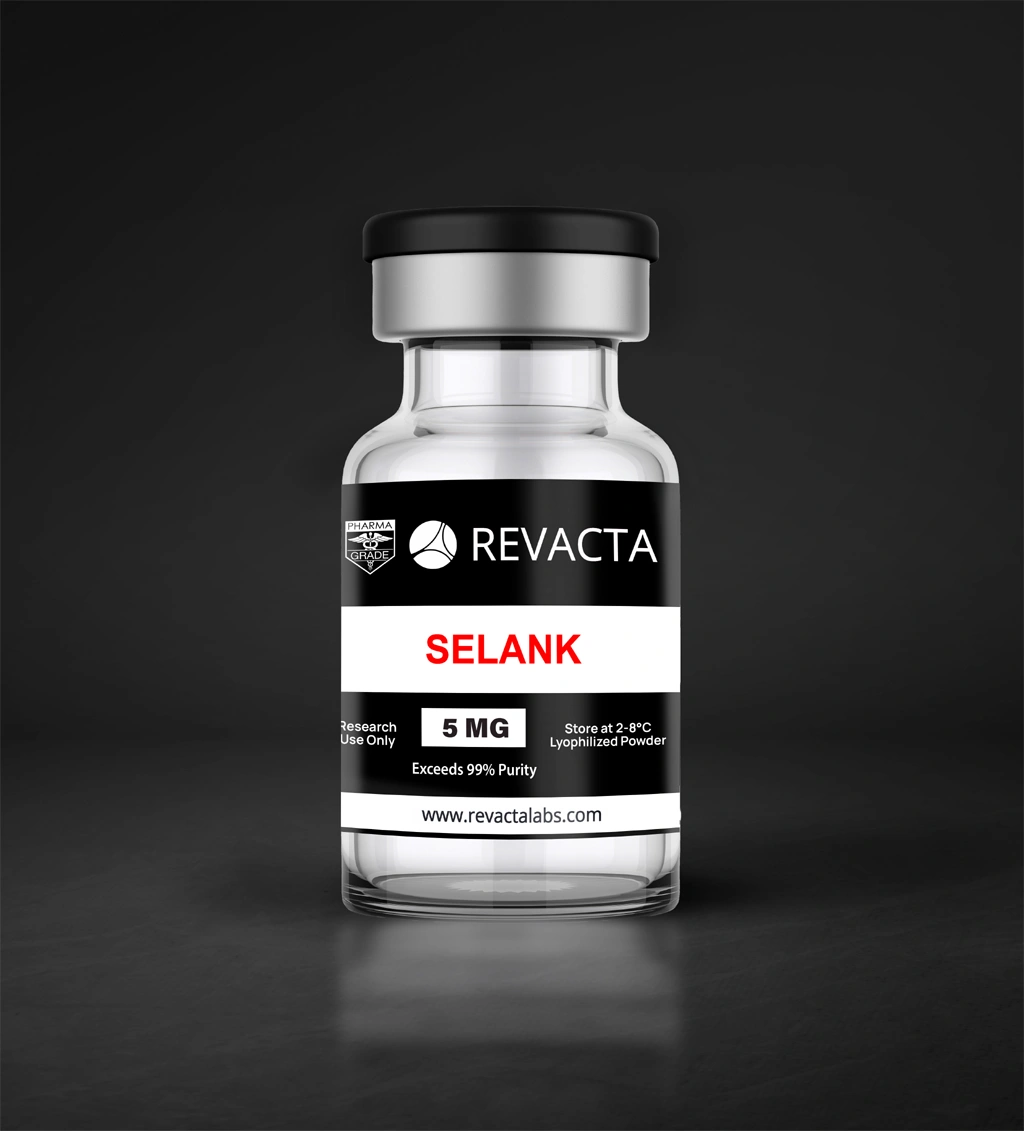
SELANK

$25.00

Melanotan 2

$34.00

PT 141

$34.00

Related Product

Disclaimer: For Research Use Only

All products and information presented on this website are intended solely for laboratory and scientific research purposes. Nothing contained herein should be interpreted as a recommendation, endorsement, or authorization for human consumption, medical use, or diagnostic application.

Any references to specific peptides, studies, or potential biological functions are provided strictly for informational and educational purposes. Such content must not be considered medical, health, or legal advice, nor encouragement for non-research use.

All compounds are designed for controlled research environments and may be handled only by qualified professionals familiar with appropriate laboratory procedures and regulations. Customers and researchers are urged to consult with scientific, medical, or legal experts before ordering or utilizing any materials.

Revacta Labs promotes the ethical, safe, and lawful study of research-grade materials and expects all users to adhere to applicable local and federal guidelines. This disclaimer applies to all website content, communications, and products offered by Revacta Labs and is subject to change without notice.
Scroll to Top

What are you looking for today?