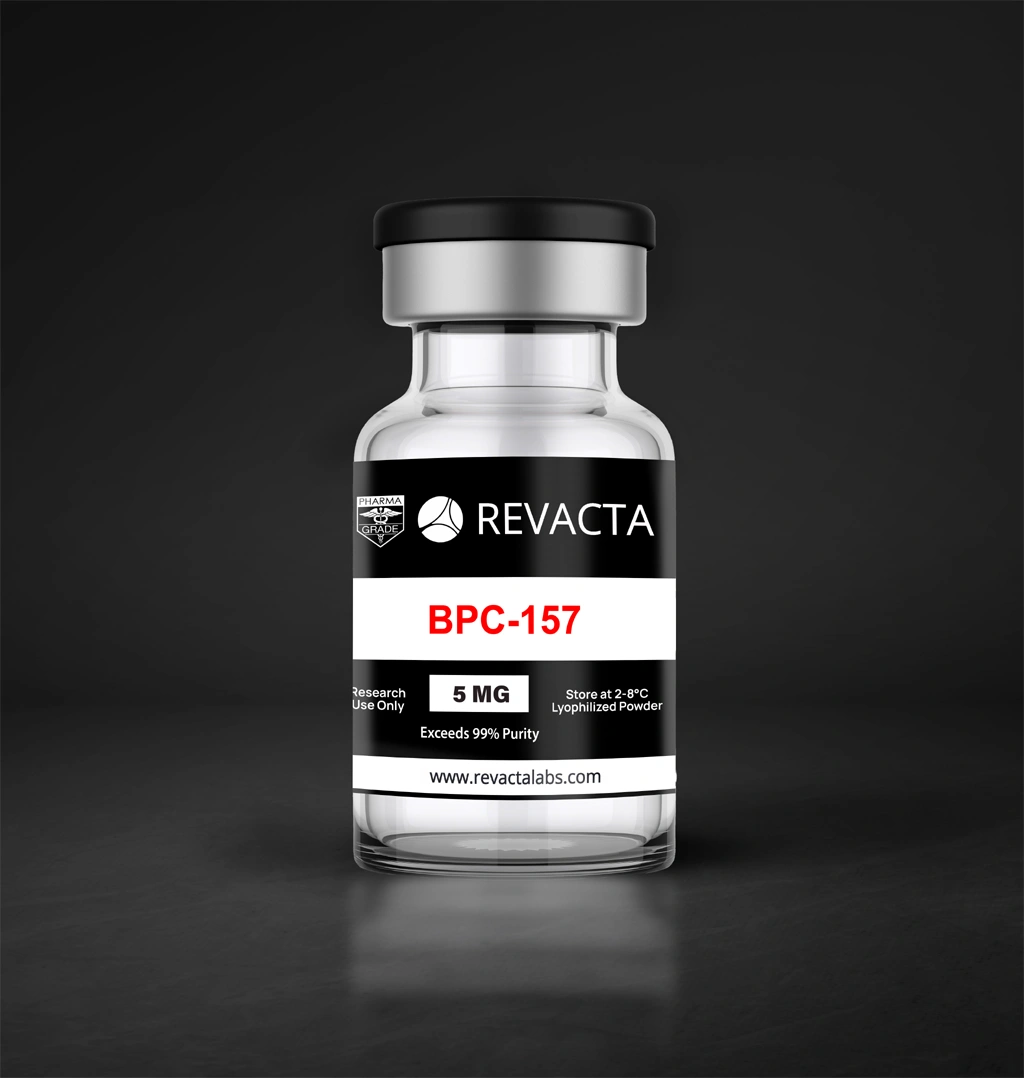
BPC-157 + TB-500
BPC-157 + TB-500 is a synergistic peptide combination widely utilized in pre-clinical and in-vitro research for its potential to support angiogenesis, tissue regeneration, and cellular repair mechanisms.
This combination pairs two of the most studied regenerative compounds:
- BPC-157 (Body Protection Compound-157): a 15-amino acid fragment derived from human gastric protein, known for its research focus on angiogenesis, cell migration, and wound repair signaling.
- TB-500 (Thymosin Beta-4 Fragment): a synthetic peptide modeled after the naturally occurring thymic protein involved in actin regulation, cell motility, and tissue remodeling.
Together, they form a research-grade peptide system often used to explore soft tissue regeneration, muscle recovery, inflammatory response modulation, and vascular growth in controlled experimental environments.
$69.00 – $120.00Price range: $69.00 through $120.00
- BPC-157 (Body Protection Compound-157): a 15-amino acid fragment derived from human gastric protein, known for its research focus on angiogenesis, cell migration, and wound repair signaling.
- TB-500 (Thymosin Beta-4 Fragment): a synthetic peptide modeled after the naturally occurring thymic protein involved in actin regulation, cell motility, and tissue remodeling.
1. Tissue Regeneration and Repair Mechanisms
- BPC-157 has been studied for its ability to enhance angiogenesis (formation of new blood vessels) and fibroblast migration, which play central roles in soft tissue healing.
- TB-500 complements this activity by promoting cell migration and differentiation through regulation of G-actin polymerization, a critical component of cell motility and wound closure.
- Together, these peptides provide researchers with a model for cooperative cellular regeneration, accelerating studies related to muscle, tendon, ligament, and epithelial tissue recovery.
2. Angiogenesis and Vascular Growth Research
- The combination is frequently used to explore vascular endothelial growth factor (VEGF) pathways, capillary network formation, and oxygen delivery in healing tissues.
- Studies suggest that BPC-157 may upregulate endothelial cell signaling, while TB-500 contributes to vascular remodeling and microcirculatory stabilization in experimental settings.
3. Cytoprotection and Inflammatory Modulation
- BPC-157 is known for its potential cytoprotective effects, providing a foundation for research on oxidative stress resistance and cell membrane stabilization.
- TB-500 complements this by influencing inflammatory cytokine balance and supporting immune cell migration during tissue recovery studies.
- Researchers utilize the combination to investigate anti-inflammatory peptide mechanisms and immune-cell guided tissue repair.
4. Musculoskeletal and Connective Tissue Research
- Used in pre-clinical models for studying skeletal muscle regeneration, tendon remodeling, and cartilage cell differentiation.
- The dual-peptide system enables exploration of GH-independent anabolic pathways, offering insights into peptide-driven regenerative signaling.
5. Cellular Migration and Remodeling Pathways
- TB-500’s interaction with actin-sequestering proteins allows researchers to study cell motility, tissue elasticity, and structural integrity.
- BPC-157, in combination, is used to evaluate extracellular matrix (ECM) interactions and collagen alignment — key components of tissue strength and organization.
6. Organ and Neurological Repair Pathways
- Early-stage studies have explored the role of these peptides in supporting angiogenesis and neuroprotection within certain organ systems, including liver, heart, and neural tissue.
- Provides a non-invasive model for tissue perfusion, cellular oxygenation, and neurovascular communication in controlled laboratory settings.
Related Product
Disclaimer: For Research Use Only
All products and information presented on this website are intended solely for laboratory and scientific research purposes. Nothing contained herein should be interpreted as a recommendation, endorsement, or authorization for human consumption, medical use, or diagnostic application.
Any references to specific peptides, studies, or potential biological functions are provided strictly for informational and educational purposes. Such content must not be considered medical, health, or legal advice, nor encouragement for non-research use.
All compounds are designed for controlled research environments and may be handled only by qualified professionals familiar with appropriate laboratory procedures and regulations. Customers and researchers are urged to consult with scientific, medical, or legal experts before ordering or utilizing any materials.
Revacta Labs promotes the ethical, safe, and lawful study of research-grade materials and expects all users to adhere to applicable local and federal guidelines. This disclaimer applies to all website content, communications, and products offered by Revacta Labs and is subject to change without notice.